Offerings for School

Let’s join us

Facilitator
Ira Sahai
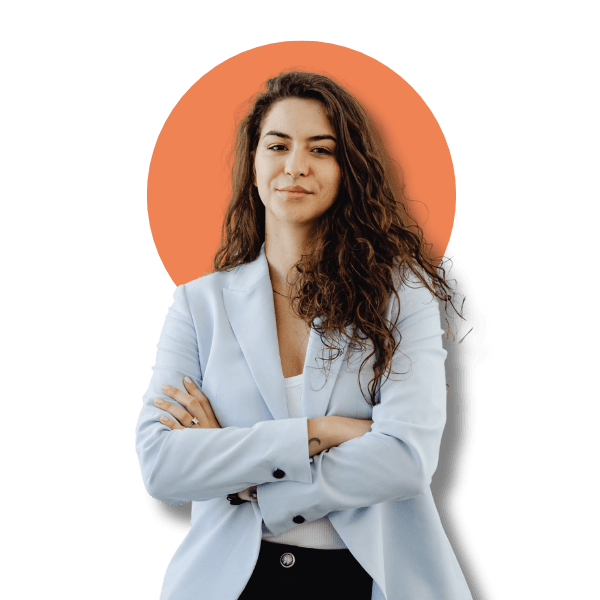
This program is led by Ira Sahai – PCC-certified coach, psychodrama practioner, and former business leader at Microsoft. With over two decades of experience, she brings strategic grounding and emotional fluency to every session.
Art for Emotions
What it is:
A space where children learn to name, draw, and share what they feel — without fear of being
judged. They use simple, open-ended prompts to connect emotions with shapes, colors, and
stories.
Why it matters:
Many children carry quiet stress. They may not have the words, but they carry the weight —
from home, from school, from friendships.
Left unspoken, these emotions often show up in unexpected ways: sudden outbursts, lack of
focus, withdrawal, or even physical illness.
This program gives them tools to understand what they’re feeling and to share it safely — not
just with adults, but with each other. Over time, it builds empathy, reduces conflict, and helps
children feel more in control of their inner world.
What you get:
-
Better emotional vocabulary -
Healthier ways to express and process feelings -
A classroom culture where listening becomes easier
Art and Climate
What it is:
A creative space for children to explore what they see around them — and imagine the
kind of world they want to grow up in.
Through painting, collage, and storytelling, they express concerns, hopes, and everyday
experiences of nature and change.
Why it matters:
Children notice the world changing. They see floods, heatwaves, and plastic waste.
Often, adults don’t have clear answers.
Without space to talk about it, their concern can grow into fear or apathy.
This program helps them process what they observe, share their questions, and turn anxiety into action. It offers them a way to understand what’s happening — and feel like
they can do something about it, even in small ways.
What you get:
-
Climate conversations grounded in awareness, not fear -
Artwork that reflects their hopes and solutions -
A feeling that they can contribute to change -
A growing awareness of how everyday choices shape the planet
Stories Through Art
What it is:
A space for children to tell their own stories — through drawing, collage, movement, or
theatre.
They explore memories, dreams, and daily life, using art to shape their voice and share
it with others.
Why it matters:
Each child carries a unique story. When they share it, others listen. This builds
belonging, understanding, and respect.
In a diverse classroom, art becomes a way to connect — beyond language or
background.
Many children struggle to find the right words, especially in unfamiliar or multilingual
settings. Art offers another route to be seen, heard, and valued. It helps children
recognise what makes them different, and what they share.
What you get:
-
Stronger self-expression and identity -
Deeper peer connection -
A classroom culture rooted in empathy and inclusion -
More confident communication, even from quieter voices
Let’s Connect
Curious if this approach is right for your leadership team?