
Last Sunday, at exactly 12.30 PM, I did something that would have horrified my younger self. I let a session run over by six minutes.
We were just wrapping up a session and everyone was sharing what they are taking away and how they want to move forward. The kind of moment every coach lives for. But instead of being fully present for the moment, part of my brain was having a complete meltdown. Five minutes over. This is unprofessional. This is exactly what separates the amateurs from the real coaches.
When the session ended, everyone was happy and still buzzing from all the art that the group created. Nobody minded the overrun except me.
I am old enough, and I have been doing this for years. I know I’m good at what I do. Yet here I was, sitting in my home office, convinced that five minutes had somehow undone years of credibility.
Here’s what I’ve learned: perfectionism isn’t the enemy of mediocrity. It’s the enemy of excellence.
The Script We Follow
Let me tell you about the script that runs most of our lives. In middle class Indian culture, it goes like this: Study hard. Score well. Get a stable job. Make your family proud. Follow the path that looks successful from the outside.
I followed that script for decades. I was excellent at following scripts. I could score high, perform well, check every box that society handed me. But somewhere along the way, I realized something troubling. The life I was building felt like it belonged to someone else. When I finally decided to leave the expected path and become a coach, the voices in my head were brutal. Who do you think you are? You had security. What if this fails? What will people say?
In India, when a woman in her forties chooses to start her own venture instead of staying safely employed, people notice. They wait for you to fail. They measure your success against the stability you gave up. Every mistake becomes evidence that you should have stayed put.
So I became obsessed with proving them wrong. I had to be flawless. Every session had to be perfect. Every interaction had to demonstrate that I’d made the right choice.
What I didn’t know then is that the harder you try to be perfect, the worse you actually get. When your brain is busy watching yourself perform, it can’t focus on actually performing. I was literally thinking my way out of doing good work.
The Perfectionist’s Trap
Here’s the thing about perfectionism that nobody told me: the more I focussed on not screwing up, the more likely I was to screw up. When half my attention was on monitoring my performance, neither my work nor my self-monitoring gets done well.
I started timing every pause in my sessions, analyzing every word choice, second-guessing every response. I was like a singer who became so worried about hitting the wrong note that she forgot about the song. The exhaustion was incredible. I was good at my work, but I wasn’t present for it. I was working while trapped in my own mental prison.
Then came the moment that changed everything. Not a dramatic revelation, but something so ordinary it almost seems silly.
The Day I Drew the World’s Unlikeliest Flower
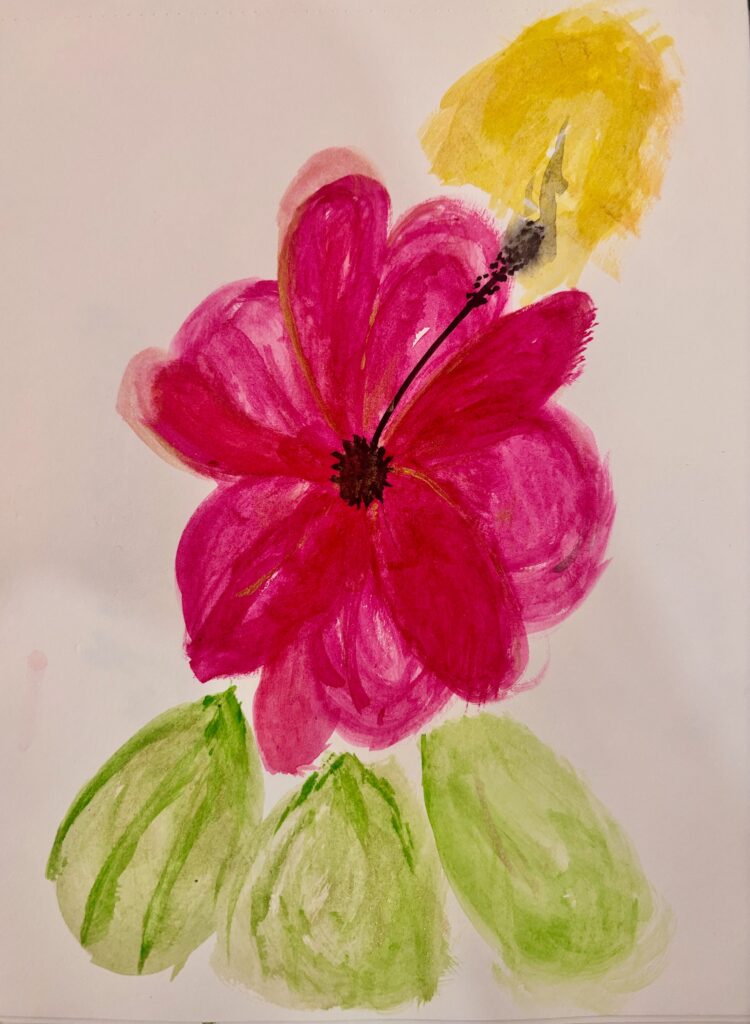
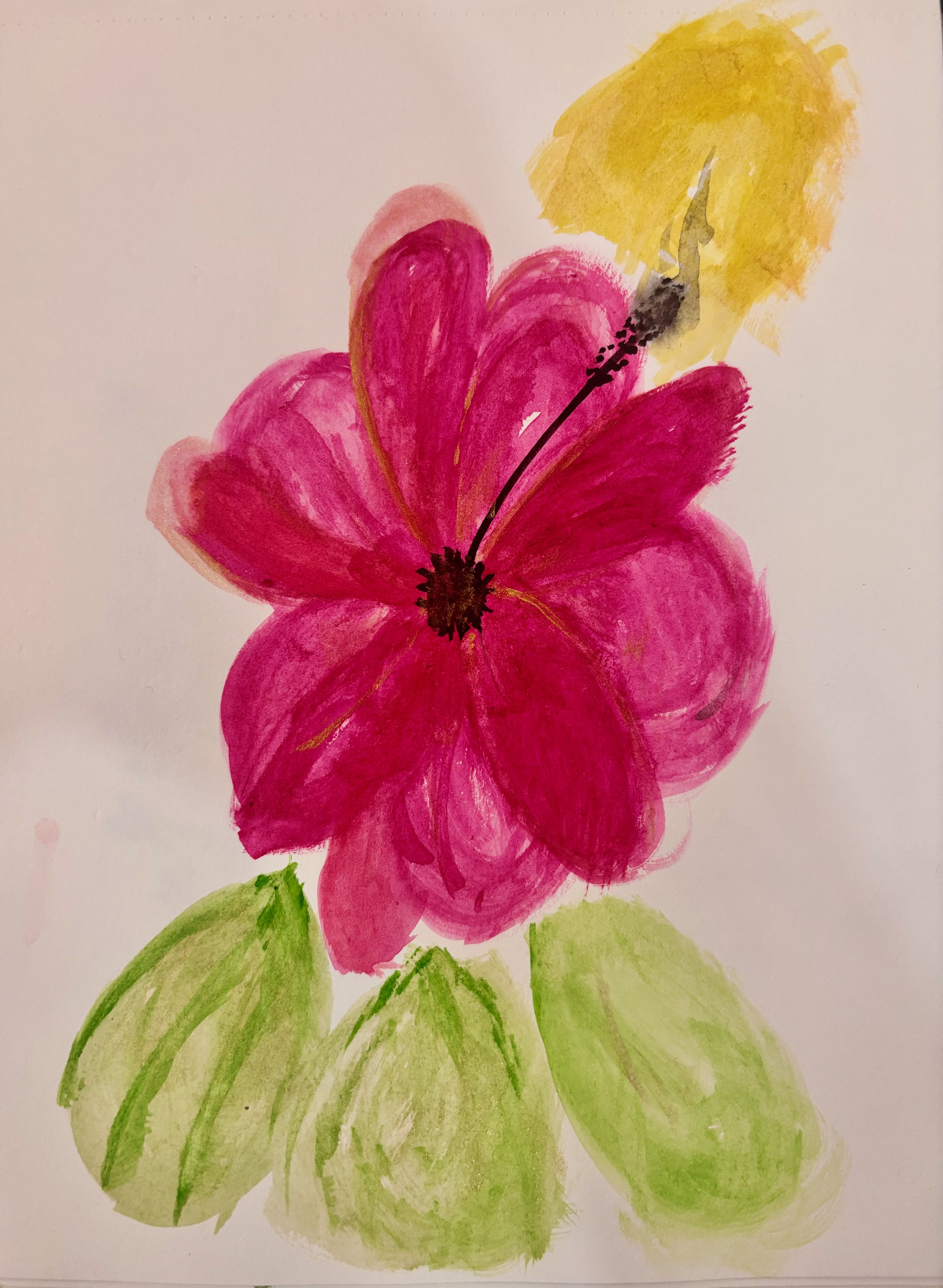
About a year back , after a particularly brutal session of beating myself up, I found myself staring at a blank piece of paper. Without thinking, I picked up some color and brush and drew what was meant to be a flower. What emerged looked like a child’s drawing of a jellyfish having a bad day. The petals were uneven blobs. The stem curved like a question mark. The whole thing tilted precariously to the left as if it might fall off the page.
And then something unexpected happened. I laughed.
Not the bitter laugh of self-criticism, but genuine delight. For the first time in months, I had created something without the crushing weight of judgment. I had made something objectively terrible, and it felt wonderful.
Here’s something interesting: we’re much harder on ourselves than anyone else is on us. What feels like a disaster to us usually looks perfectly normal to everyone else. My terrible flower became an experiment: What would happen if I deliberately made bad art?
The Freedom of Failure
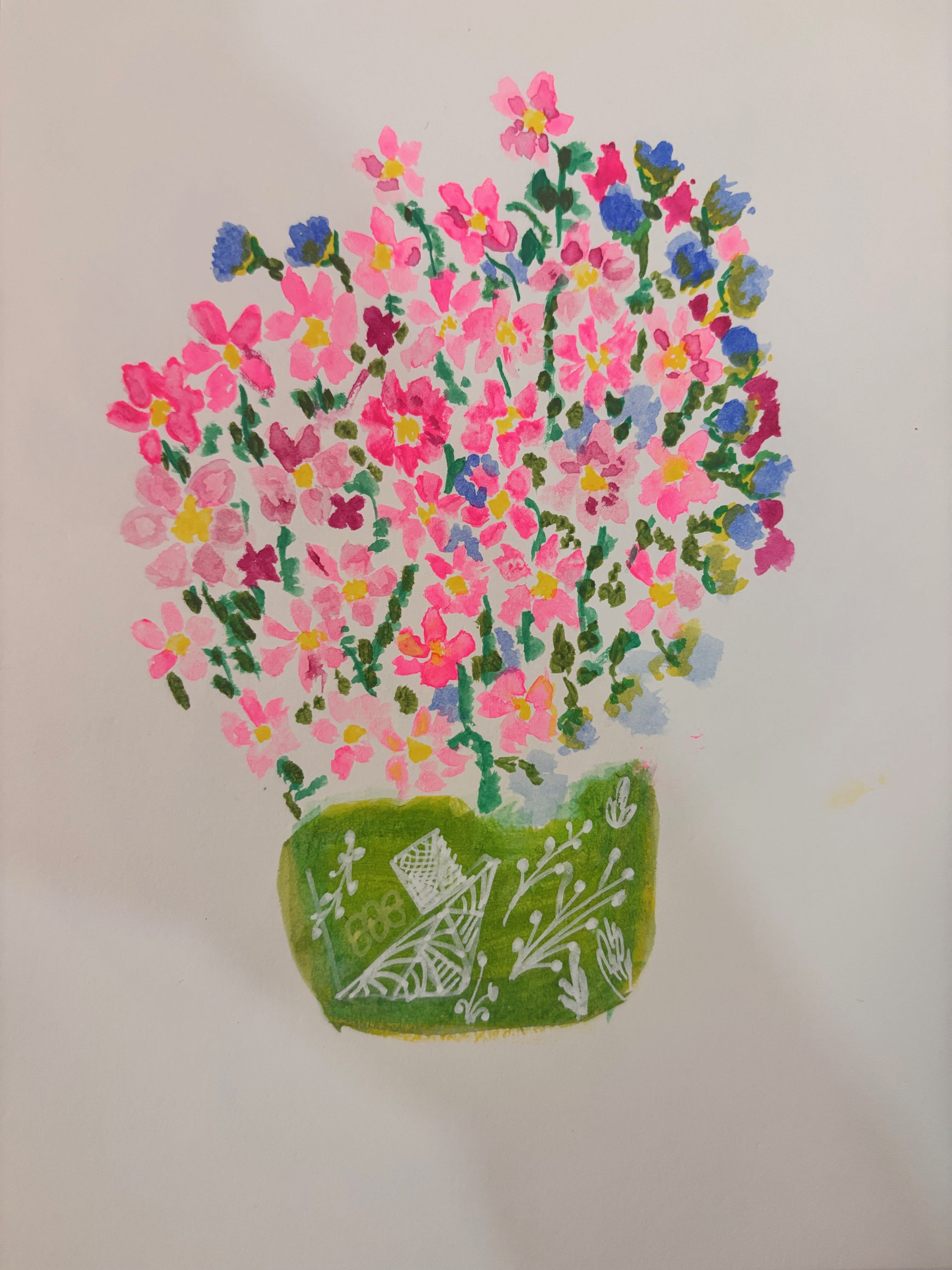
I kept drawing badly. I drew houses that defied physics. I painted skies that looked like muddy puddles. I attempted portraits that bore no resemblance to actual human faces.
Each terrible creation taught me something my coaching training never did. When you’re not trying to impress anyone, when you give yourself permission to fail completely, your brain stops protecting itself and starts playing.
Scientists have found that the part of our brain that criticizes us actually needs to shut up for us to be creative. My bad art was accidentally creating the perfect conditions for this to happen.
But here’s what surprised me most: the flowers I drew were objectively awful, but they did something that perfect flowers never could. They reminded me that I could create something without needing it to be anything other than what it was.
More importantly, they taught me that my worth wasn’t tied to my output.
The Unexpected Chain Reaction
This shift from my terrible art practice began showing up everywhere, but most dramatically in my coaching sessions. I stopped watching the clock obsessively and started trusting what was happening. When important work was unfolding, I let it unfold, even if it meant running a few minutes over.
The result contradicted everything I’d been taught about being professional. My sessions became more powerful, not less. Clients started having deeper breakthroughs because they could feel my calm instead of my anxiety.
Here’s something fascinating: emotions are contagious. We literally catch feelings from the people around us. When I stopped radiating worry about time, my clients stopped worrying about it too. The room became a space for transformation instead of a stress chamber.
I stopped apologizing for taking up space. I stopped adding disclaimers to every insight. I started showing up as someone who belonged in the room, not someone who was trying to earn the right to be there.
What Bad Art Really Teaches
Here’s what months of creating terrible art taught me about doing excellent work: it’s not about having no flaws. It’s about being whole, flaws and all.
Research shows that people who are kind to themselves about their mistakes actually get better faster than those who beat themselves up. When you’re not spending energy defending against failure, you can use that energy to learn from it.
My terrible drawings did something that years of professional achievements never could. They made people feel safe to share their own struggles. When I posted a particularly disastrous sketch of what was supposed to be a sunset (it looked more like an orange blob attacking a purple rectangle), three friends reached out to share their own creative fears.
Being vulnerable, it turns out, isn’t a weakness to overcome. It’s a strength to develop.
The Real Discovery
Six months ago, writing this post would have terrified me. I would have worried about how it would affect everything that i am trying to do. I would have wondered if admitting my struggles would make people lose trust in my abilities.
But here’s what I’ve learned: the things we’re most scared to share are often the things others most need to hear. Our struggles don’t make us unqualified to help others. They’re exactly what makes us qualified.
This realization led me to create Quirkwise—not as another self-help brand promising to fix you, but as a space that celebrates the messy, imperfect, beautifully human process of becoming who you’re meant to be.
Quirkwise isn’t about perfecting yourself. It’s about accepting yourself. It’s about finding your real voice in a world that profits from your self-doubt. It’s about discovering that your quirks and imperfections aren’t problems to solve but strengths to embrace.
Your Turn to Draw Badly
If this story resonates with you, if you see yourself in the fear of running over time or the weight of others’ expectations, I want you to know something: your imperfections aren’t bugs in your system. They’re features.
Your version of bad art might not involve drawing at all. It might be sending an email without checking it ten times. It might be speaking up in a meeting before you have the perfect thing to say. It might be starting something new even though you don’t have all the answers.
Whatever it is, I invite you to try it. Give yourself permission to be imperfect. See what happens when you stop trying to manage everyone else’s opinion of you and start showing up as you actually are.
You might be surprised by what emerges when you’re not trying to control the outcome.
Welcome to Quirkwise. Let’s embrace the beautiful mess of becoming human together.