If you believe the motivational posters, building a course is a matter of discipline. Just do it, they say. Nike says it. Every TED speaker says it. There’s a whole genre of LinkedIn influencers who will tell you it’s about pushing through resistance and taking the leap.
They are not wrong. But they are also not entirely right.
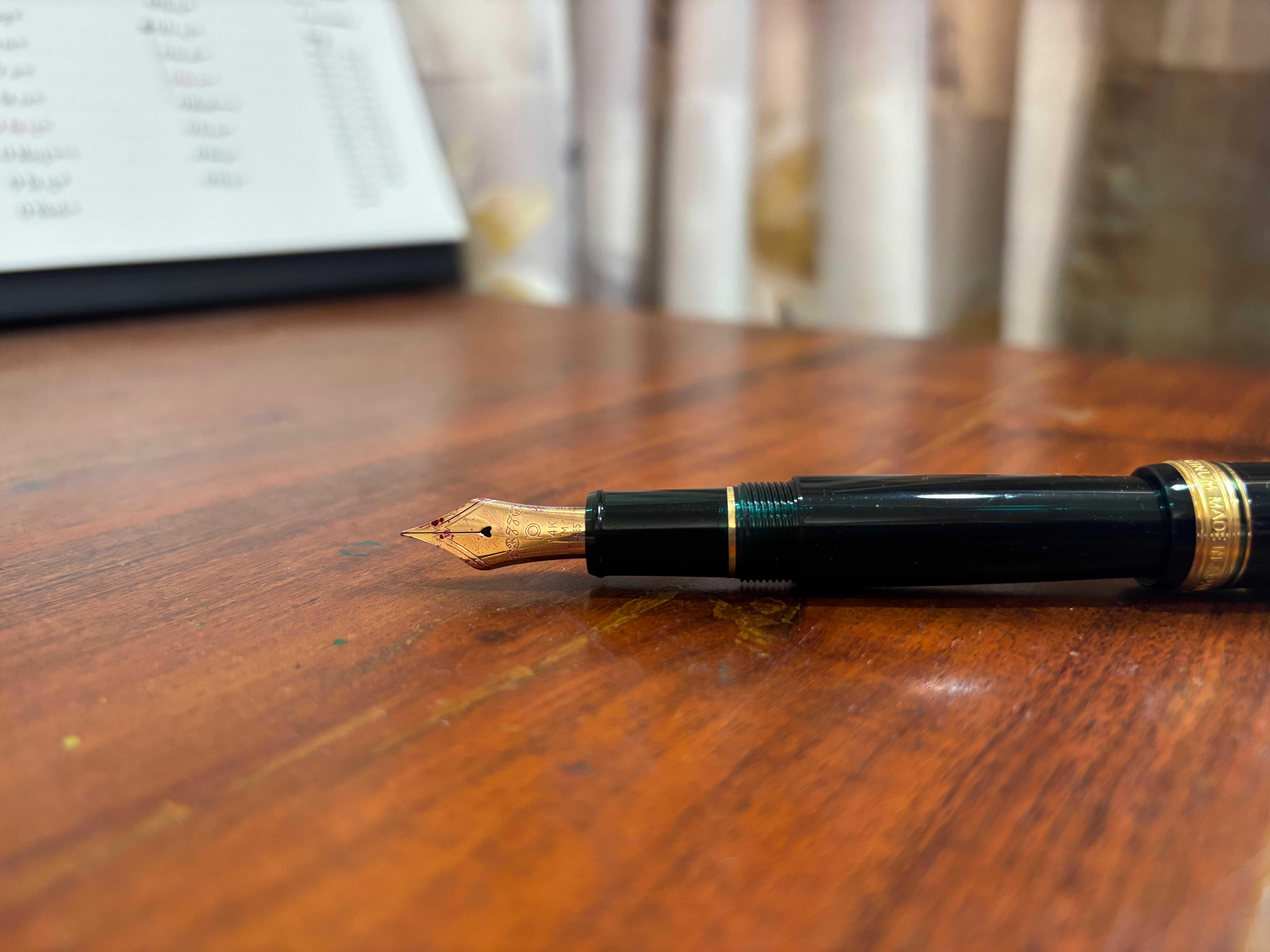
My experience is different. The first thing I did was buy a fresh notebook ( or maybe two). This was, of course, a lie I told myself – that starting with new stationery would somehow make the process cleaner, more structured, more inspired. I created a spiral of choosing the perfect colour and finding the right ink and many stacks of post-its. This was just the beginning of late night amazon ordering and next day guilt.
Because what no told me was that building a course – the kind that actually lands, the kind that leaves space for ambiguity, the kind that isn’t made to scale but to hold takes far more than a bold font , clear calendar and Instagram aesthetics. For me, it took several false starts, a full blown identity crisis, three different browsers worth of research, and more hours than I care to admit toggling between serif and sans serif.

Phase One: The Research Spiral
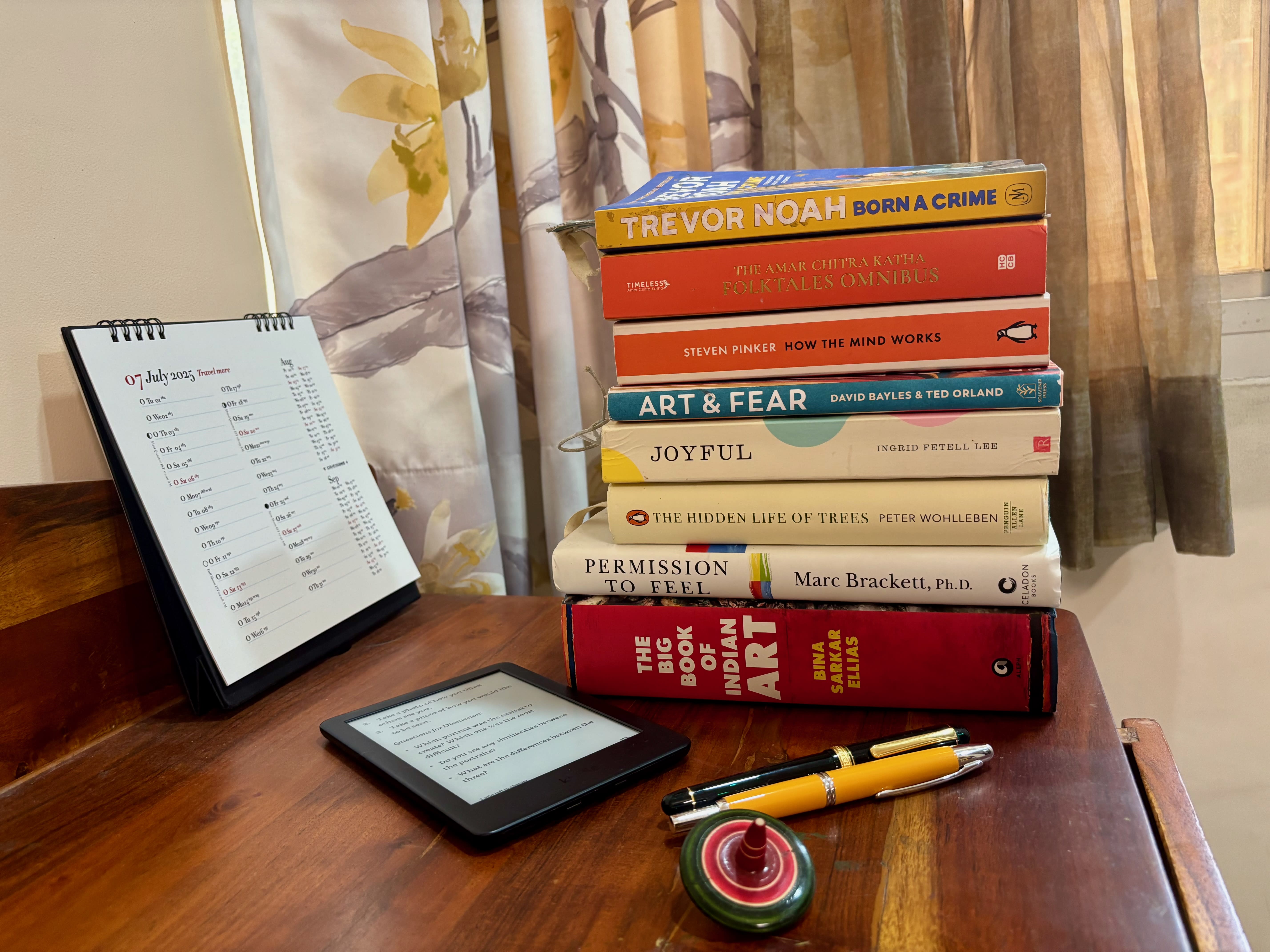
I started, as I often do, by reading. Academic journals on art therapy. Books by Cathy Malchiodi and Shaun McNiff. Psychology papers I barely understood. Articles on metaphor, role tension, leadership, narrative identity. At one point I was comparing a neuroscience paper with an oral storytelling ritual from East Africa and thought – this might be getting out of hand.
But I kept going. Not because I needed more information, but because I hadn’t yet found the shape of the thing.
What I managed to learn is this: the early stage of building anything thoughtful is almost indistinguishable from productive procrastination. I wasn’t avoiding the work. I was circling it. Marinating in it. Telling myself that one more article would bring clarity. It didn’t. But eventually, something did shift. A few threads began to repeat themselves. Certain questions kept coming up:
* What parts of ourselves are still off-limits in “professional” settings?
* Why does reflection so often feel like performance?
* Can we learn to see our own patterns – not by analysing them, but by drawing, telling, moving, making?
And only then, I knew I had something.
Phase Two: The Slides That Ate My Soul
I’ve always believed in good design. I just didn’t expect to spend so many hours trying to get a single slide to “feel right.” I remade the deck at least fifteen times. Version 1 was too academic. Version 2 tried too hard to be profound. Version 5 was all visuals and vibes. Version 9 looked beautiful but made no logical sense.
I spent 45 minutes deciding whether to use a torn-paper graphic or a hand-drawn line to represent “emotional rupture.” I chose neither. But the debate lives on.
Slide decks are funny like that – they trick you into thinking you’re being productive, when often you’re just stalling for clarity. But they also surface what you haven’t resolved yet. If I couldn’t explain something visually, it often meant I didn’t understand it well enough yet.
I kept tweaking. Mostly because I wasn’t ready to let it go. Which brings me to the next phase.
Phase Three: What Even Is This Course?
Somewhere in the middle of all this, I had a quiet crisis. What exactly was I building?
Was this a leadership program disguised as an art course? Or an expressive arts program trying to make itself legible to HR? Was it too soft for business? Too structured for creatives? Too niche for both?
I’ve learned that building something original means sitting inside ambiguity longer than you’d like. You’re constructing a bridge while standing in the middle of the river. You can’t see the other side. But you keep adding to it anyway.
What helped was talking to people. Coaches, artists, therapists, facilitators, and an occasional four legged creature. I asked odd, open-ended questions like:
* “What’s something you’ve never been able to say in a professional setting?”
* “Have you ever drawn your emotional landscape?”
* “What do you wish leadership programs actually addressed?”
* Do you think art can bring real shift?
Their answers gave me direction. Not because they pointed toward a framework, but because they affirmed something I was sensing: there is space for discovery with color and shapes. Not everything needs to be flattened in bullet points.
Phase Four: Structure Appears (Barely)
Eventually, I settled on four sessions. Not because it was a perfect number — but because anything longer would require me buying 45 more books and neither my bookshelf nor I was emotionally ready for that.
Each session followed a rhythm:
* One part theory
* One part experience
* One part group reflection
I built in drawing, storytelling, metaphor work. I allowed for silence. Exercises didn’t aim to fix or optimise — they simply gave people a sideways way to see themselves. To tell the truth without needing to wrap it up.
I wrote long facilitator notes to future-me, including instructions like, “Pause here. Let the silence do the work.” Or “Don’t over-explain this — trust them to find their way.”
I cut a lot.
My favourite Mary Oliver quote? Gone.
The section on Jungian archetypes I was attached to? Deleted.
The clay-based activity that required people to have access to terracotta on a Sunday morning? Let go, with love.
Course design, I’ve come to understand, is mostly editing your ego. Not everything needs to be said. You keep what holds.
Phase Five: The First Run (Please Don’t Cancel)
I sent the invite with low expectations. Told myself I’d be happy if 2 people signed up. Ten did. That was enough.
And the panic the night before the course was supposed to kickoff was real and visceral. I could feel it in my bones. The first cohort was awkward in all the right ways. I over-explained things. Forgot to unmute. But people showed up. They made things. They surprised themselves. They told stories that were hard and honest. My friend rated my first session 8.75 out of 10. But somewhere in the second session, I stopped wondering if it made sense on paper – because it was clearly making sense in the room.
Honest thoughts poured in. The group shared what has been in their heart for a long time. A new beginning with some colourful experimentations.
That’s when I knew: this wasn’t about drawing or storytelling. It was about restoring access to parts of ourselves that we had quietly put away in order to look professional.
What I Know Now
The Science of Art didn’t emerge fully formed. It came together in pieces — across books, group work, conversations, sticky notes, late-night hunches, and long walks. What looks seamless from the outside almost never begins that way.
It taught me that tone matters more than polish. That learning doesn’t always need to be linear. That ambiguity is not a design flaw – sometimes, it’s the invitation.
And most importantly, that people are ready for spaces where they don’t have to perform their growth.
Some of the most meaningful feedback came not during the course, but after. In an email a week later. A photo of a page someone kept journaling in. A quiet message that said, “I didn’t know how much I needed this.”
If You’re Building Something…
If you’re building something — especially something that doesn’t quite fit a category – give yourself time. Let it be messy for longer than feels comfortable. Don’t aim for scale too early. Don’t worry if the fifth draft feels worse than the third. That’s part of it.
And despite what the posters say, it takes more than Just Do It.
It takes Do It, Doubt It, Delete It, Start Again, and Try Anyway.
If the work feels alive to you, keep going. The people it’s meant for will recognise it. Even if they don’t know how to ask for it yet.
And if you’ve made it this far – thank you.
If you’ve built something in this way – quietly, carefully, messily – I’d love to hear about it.
We’re all building bridges in rivers.